
Mission
A world where hard work is what counts.
Not your nationality, your school, your gender, a polished title, or who you happen to know. We believe none of that has any bearing on what a person will go on to build. What you have accomplished so far, and what you will accomplish next. A world where effort that deserves recognition actually receives it: that is the world we want to build.
Our Story
In a butcher shop in New York
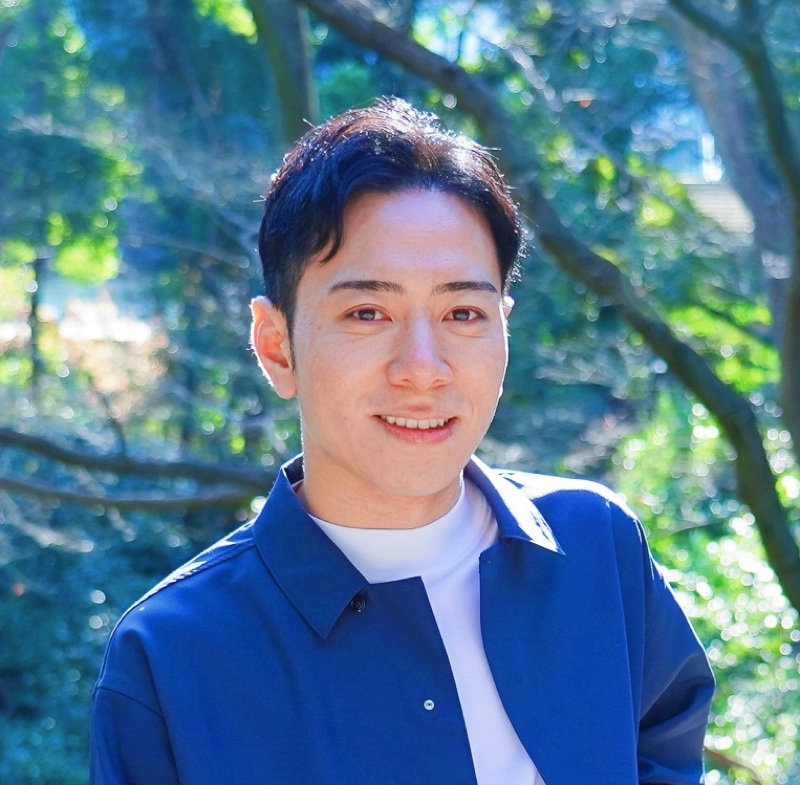
Written by
Keita Noritoshi
Co-founder & CEO, Blucor
America is a nation of immigrants. And yet anyone without a network to vouch for them, without a credential that fits on a form, is treated as though they were not there at all. The jobs exist. The labor shortage is real. The two never meet. That is what is happening in this country today.
We started this company because that gap was right in front of us.
I was picking out meat in a butcher shop in New York.
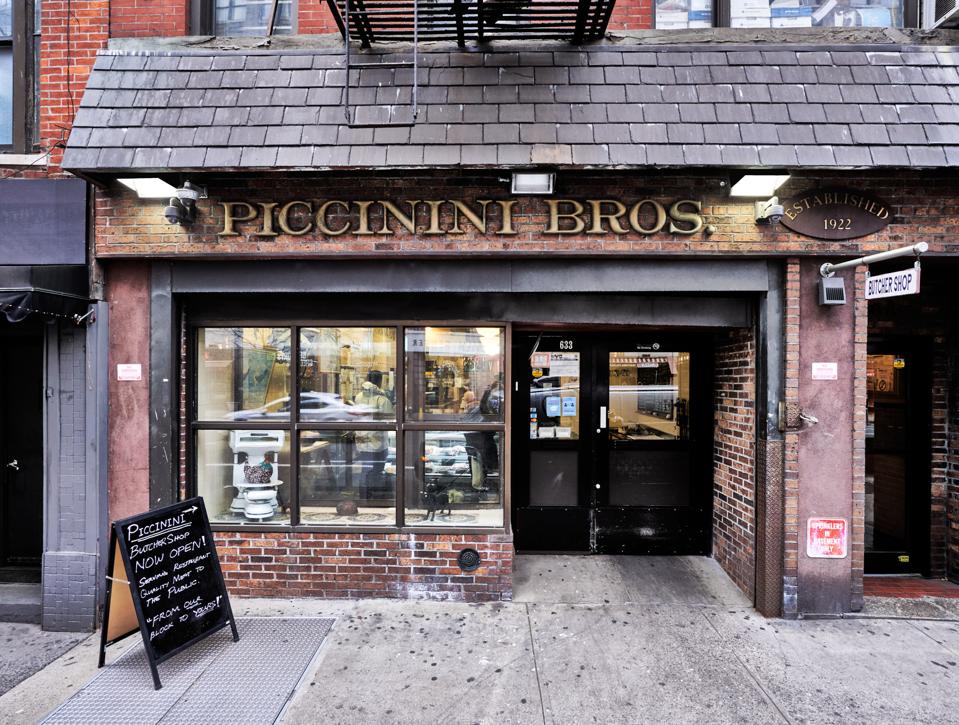
A man walked in. An immigrant from a French-speaking country. He looked straight at the butcher behind the counter and said:
Give me a job.
No scheduled interview. No application sent off to wait on. All he could do was stand there and ask for work.
“Nothing right now, sorry,” the butcher said, and that was the end of it. It took a few seconds.
I saw myself in him. I had come to America and found that nobody was listening either, that nobody was going to ask what I could actually do. In the months when the business was going nowhere, I was standing in the same place he was.
I was building a hiring product at the time. So as he turned to leave, I spoke to him.
Are you looking for work?
“I am. I've just never once made it through on Indeed,” he said.
“Could I see your resume?” I asked.
“Of course,” he said, and took out his phone. And he showed me his resume. Out of his Snapchat camera roll.
I was floored. I could not work out why it would be Snapchat.
When I asked, he told me, smiling, that he had photographed the resume he filled out by hand at a job training center five years earlier, and had kept it there ever since.
He had no computer. He had never heard of Google Drive or Dropbox. What was on his phone was Snapchat, TikTok, Instagram and YouTube. That one photograph was what he had been attaching to every application he sent.
“I don't think that's ever getting through,” I told him. But the reason he kept getting turned down had nothing to do with what he could actually do.
“If there were a service that built you a resume for free, just from twenty minutes of talking to an AI — would you use it?” I asked. “I'd use it,” he said.
I built it in a day and gave it to him. He talked to the AI for twenty minutes. And when I read the resume that came out the other end, I learned something I had no way of knowing before: he was an electrician. A licensed, qualified tradesman.
There is no shortage of work for electricians in this country. “Why were you in a butcher shop asking for a job?” I said. We sent him electrician openings in Brooklyn, he was matched with one, and he found work.
To find out whether he was one man or a pattern, we posted the same thing on Craigslist in Houston. Two hundred people signed up in two days. Every one of them told the same story. No computer. A resume written years ago that they had no way to update.
That was where our product started.
It was never about ability. It was about the format.
They are not short on ability. Many hold serious qualifications and real skills. What they cannot do is compress what they have into the shape of a resume. What never reaches the resume never becomes data. What never becomes data is never trusted. Not speaking English the way a native speaker does was enough, on its own, to make them invisible.
So we decided to reach the people paper cannot reach, by listening to them. Hope, our AI recruiter, calls every single applicant. Not only for speed, but because what never appears on paper comes out in conversation.
Hiring had always been bound by human limits
I used to run recruiting, hiring around a hundred people a year. Hundreds of open requisitions, phone screens that never ended, scheduling at midnight. I watched good colleagues burn out, candidates lose faith, and companies miss people they should have hired. The cause was always the same: the limit of what one person can get through.
A recruiter can only speak to so many people in a day, so you work down the pile from the top. Whoever is buried at the bottom disappears without anyone ever calling them. What happened in that butcher shop and what happens in hiring are the same thing.
The first to trust us had no connection to us at all
We had no network in America. So we used a service for finding interview subjects to reach hiring managers one at a time and ask whether the problem we imagined was real.
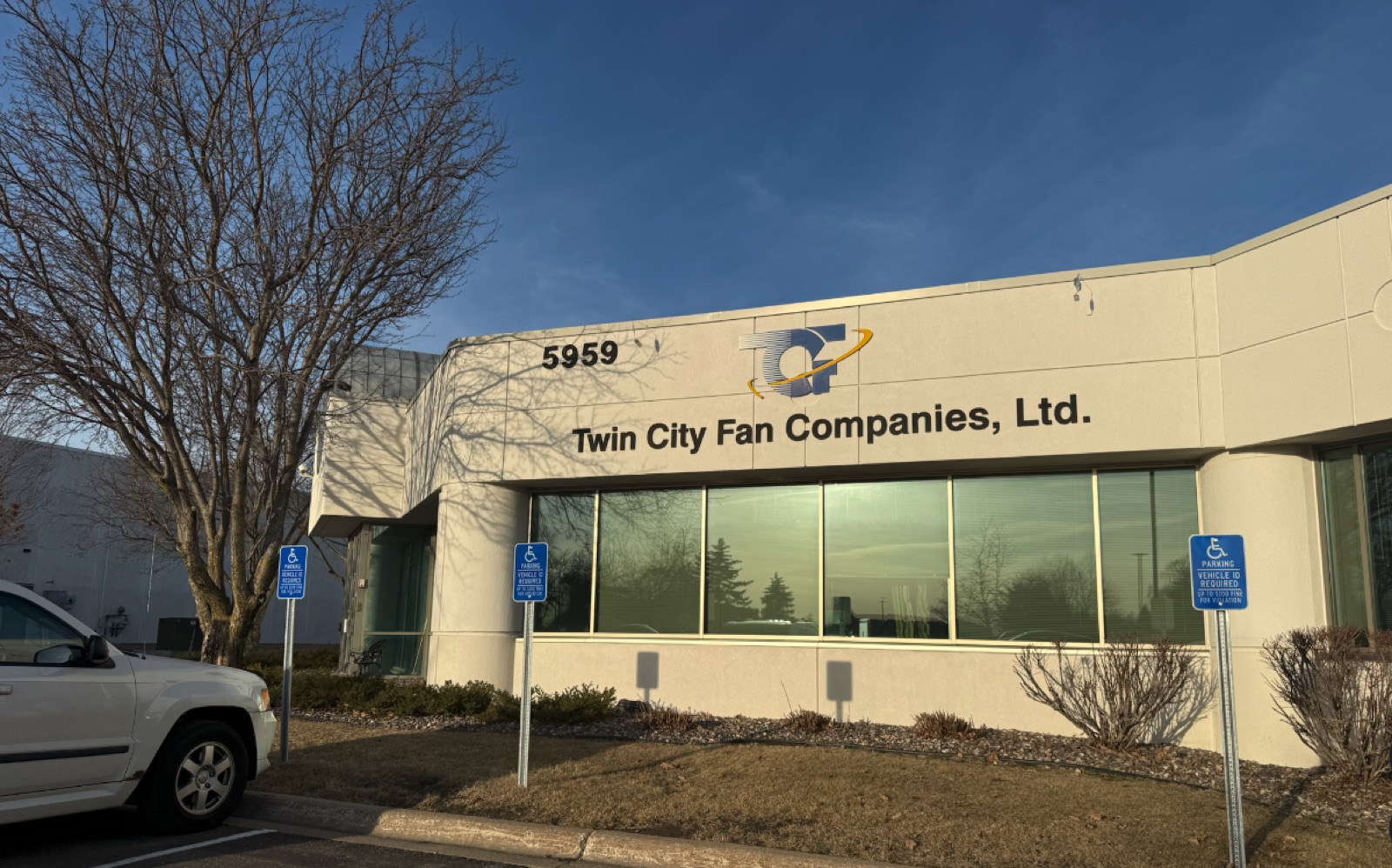
The first person who agreed to talk was the head of HR at a 3,000-employee HVAC fan manufacturer in the American Midwest. A typical American manufacturer in a small town, where nearly everyone on the floor was white. There was no reason for him to spend time on a founder from Japan whose English was not particularly good.
He told us the truth anyway. His recruiters had quit and the work was not getting done. Turnover was high. And there was nothing he could do about it. Then he said:
If AI can actually make this work, I want to use it.
From there, that company became our first customer and we built the product alongside them. It was called a proof of concept, but in practice their floor was our development environment.
Plenty of companies turned us away or never replied. But people with a real problem will listen. And there are leaders willing to look at a founder from far away, with unsteady English, and say: let's do this together. That, I think, is what makes this country strong.
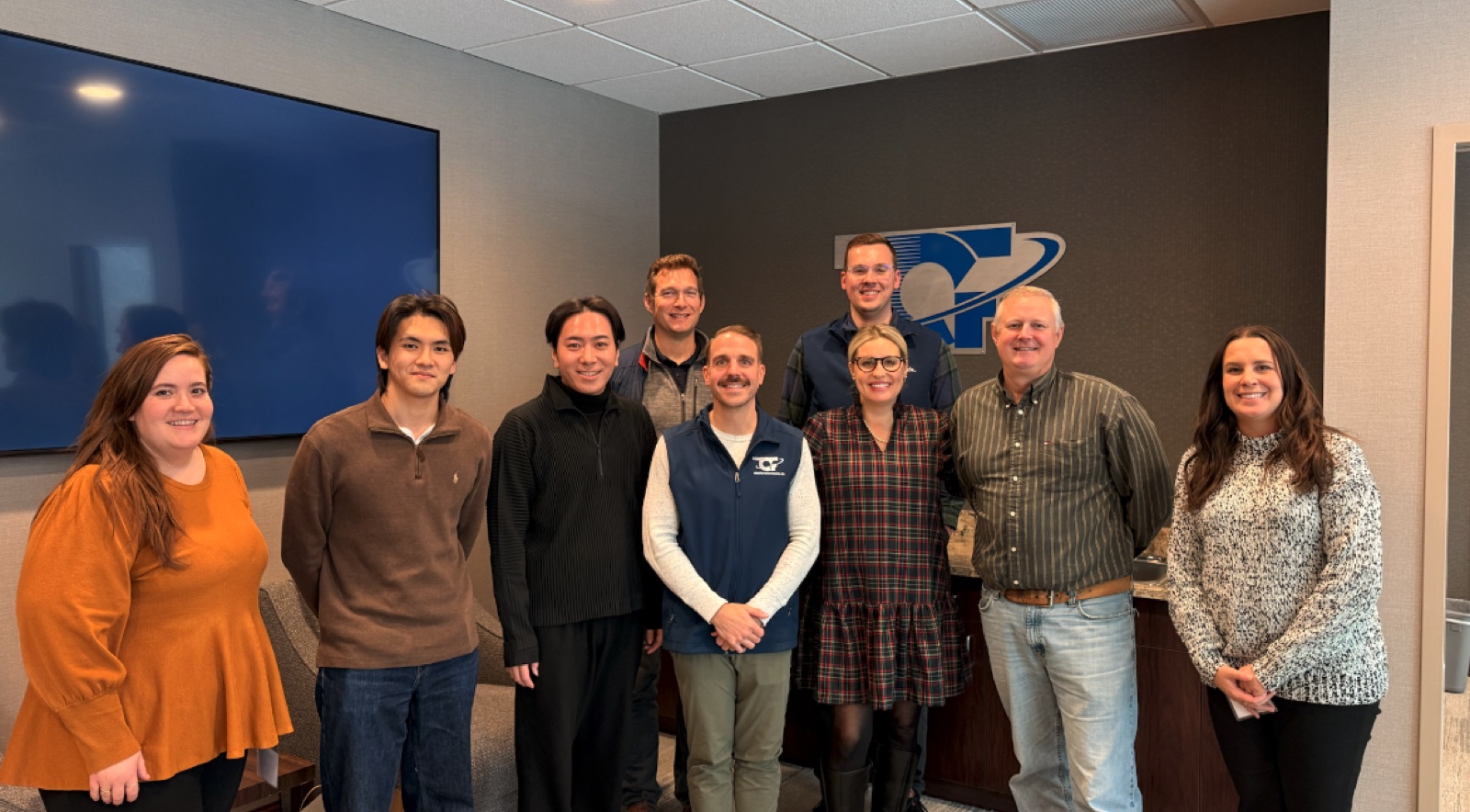
What we built with them is Blucor. A year and a half after launch, it is in use at more than 80 sites across the United States.
Ten years, the same two people
Hiromu, our CTO, and I have worked together for more than ten years, counting back to the company before this one. Technology and the field, research and business. We stand in different places, but we have been looking at the same problem for a long time.
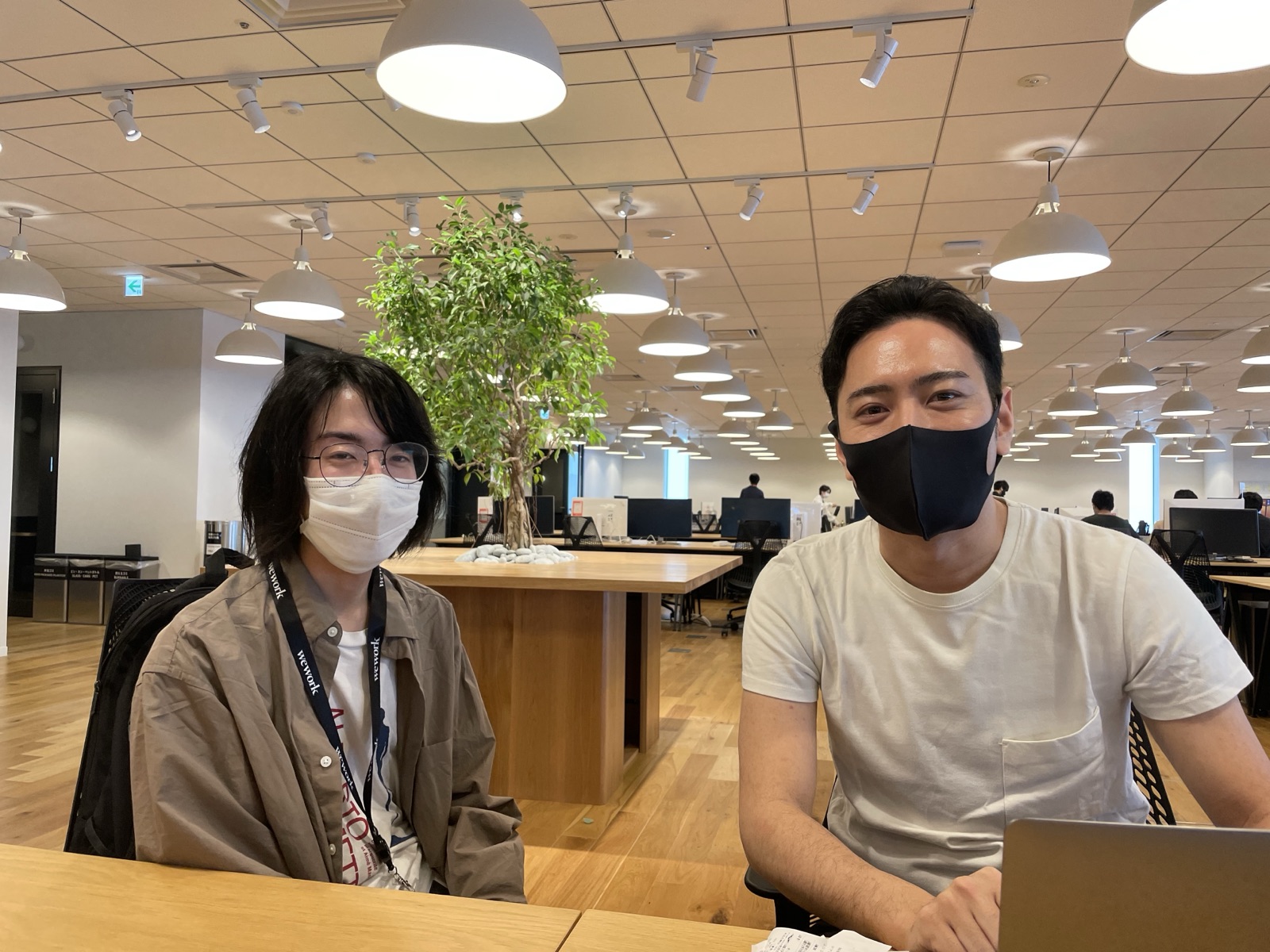
Hiromu is a researcher in voice AI and human-computer interaction. He is one of three people in the world to hold both a Google PhD Fellowship and a Microsoft PhD Fellowship, and he has spent his career on how people and machines talk to each other. Whether someone can tell there is no person on the other end of the call and still feel at ease speaking: that is his territory.
I came from inside hiring. A hundred hires a year, never enough people, never enough time, and decisions that had to be made regardless. I know in my body where human judgment starts to get sloppy.
We also moved abroad and went from being the majority to being a minority. We know firsthand how hard it is to get anyone to believe in what you are capable of. That is why we build for the people who were not believed.
What we are building is not just a faster hiring tool. Asking every applicant the question someone should have asked that man that day: that is the work.
This story has only just started. To build a world where people who work hard are recognized for it, we will keep delivering something new, every day.
Keita Noritoshi — Co-founder & CEO
Meet Our Team
More than ten years working together, counting back to the company before this one
Keita Kevin Noritoshi
Co-founder & CEO
Serial entrepreneur. Co-founded Teambox, a leadership development company, then led hiring at a public company at around a hundred hires a year. Co-founded an AI startup in New York City to fix the structural problem in frontline hiring. Took part in UC Berkeley's SkyDeck accelerator, and won top honors at Open Network Lab, hosted by Digital Garage.
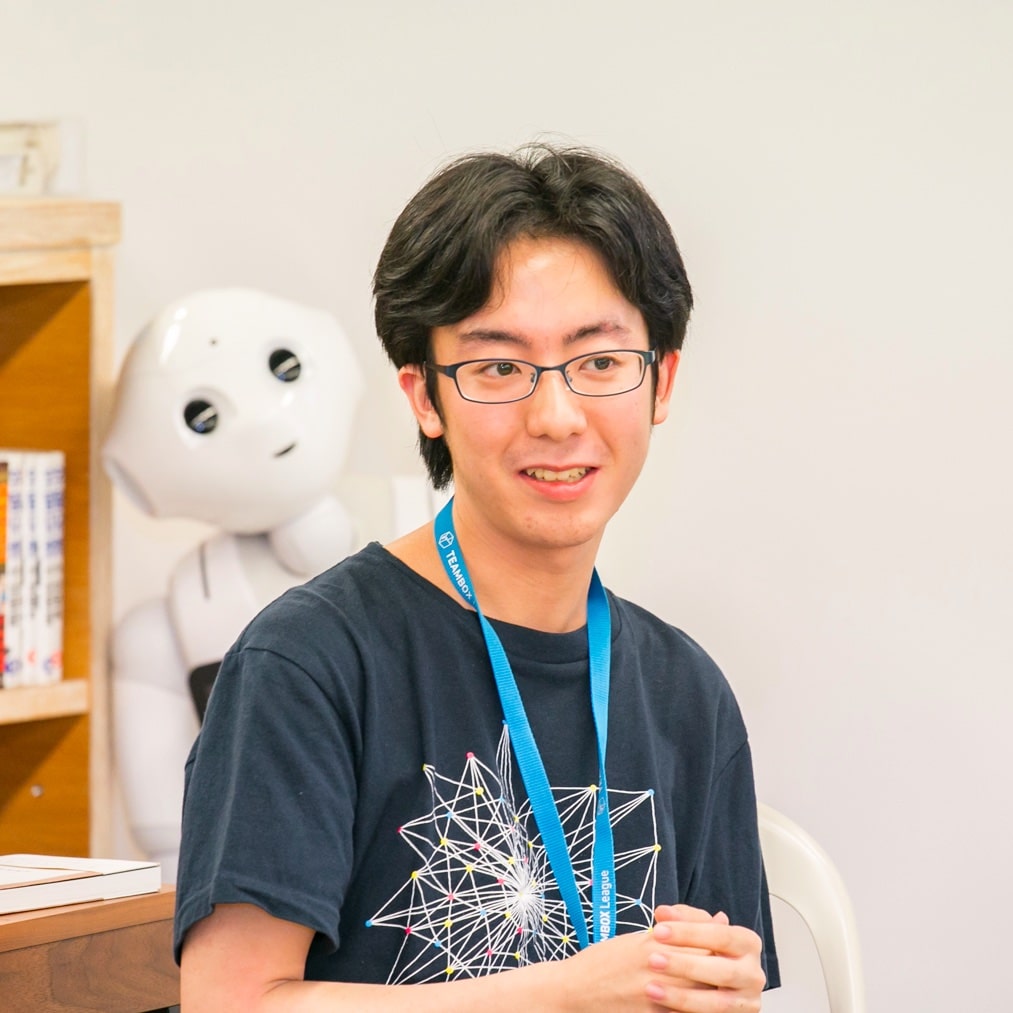
Hiromu Yakura
Co-founder & CTO
AI researcher. Has published more than 30 papers on the design of how people and machines talk to each other. One of three people in the world to hold both a Google PhD Fellowship and a Microsoft PhD Fellowship, and a selected fellow of the Masason Foundation. After completing a PhD, joined the Max Planck Institute as a researcher and took part in voice AI and human-computer interaction research as an Anthropic fellow.
Our Advisors
Guided by experienced HR leaders from America's top blue-collar employers
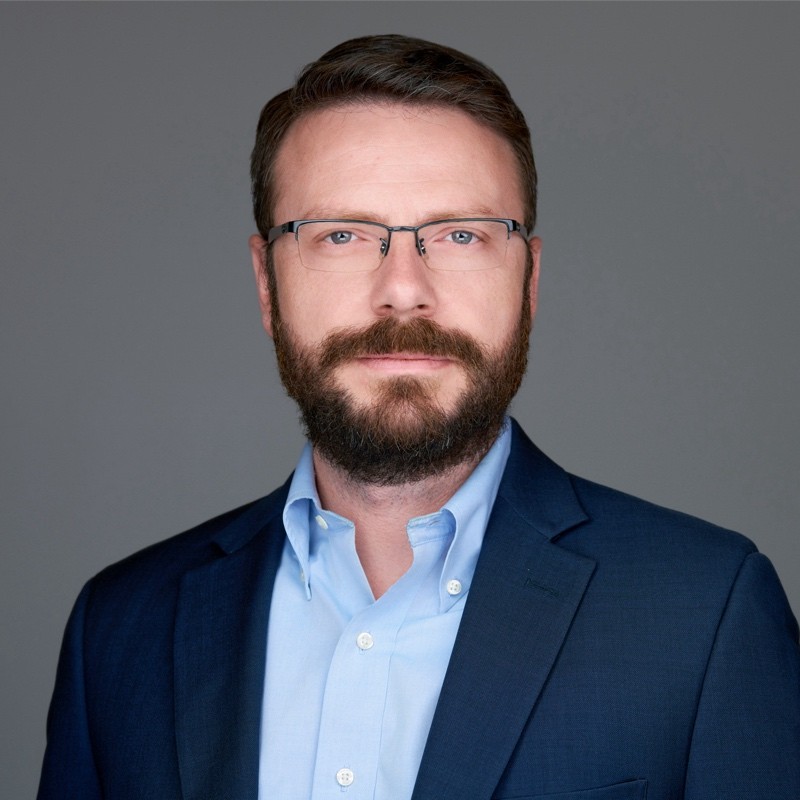
Elliott Forsythe
Vice President, Human Resources
Saia
Leading HR strategy and talent acquisition for one of America's largest logistics and transportation companies.
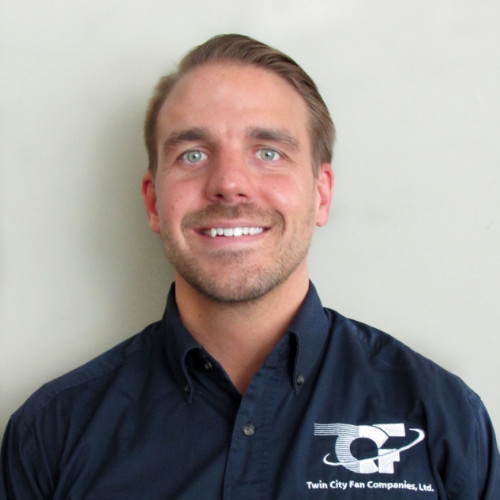
Matthew Dillon
Director of HR
Twin City Fan
Overseeing workforce development and recruitment for a leading manufacturer with 3,000+ employees across the Midwest.
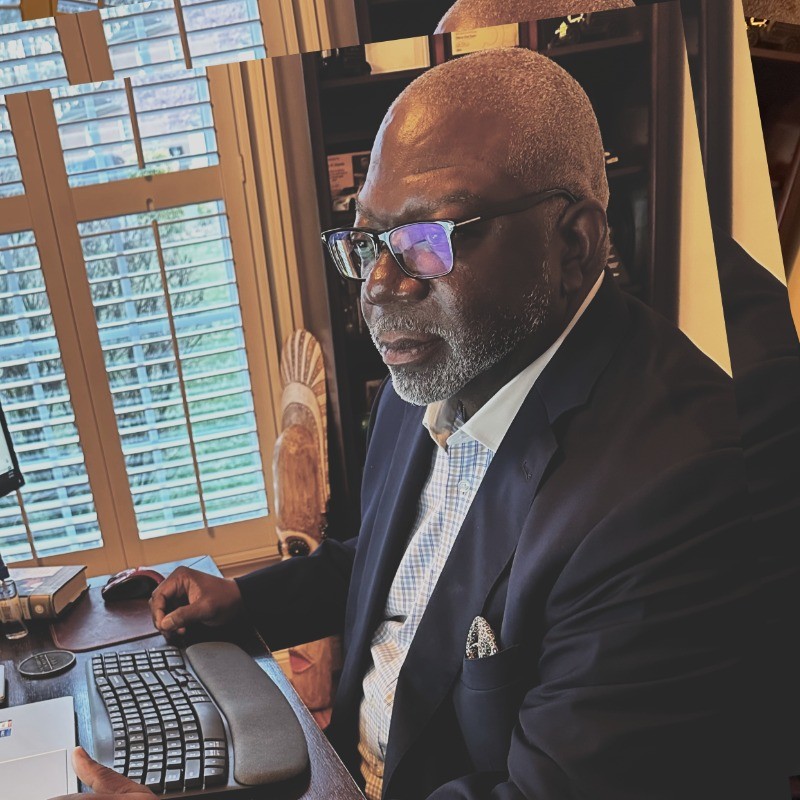
Henry Beards
Former Director of HR
UPS
Pioneered innovative hiring practices for one of the world's largest employers of skilled labor and logistics professionals.